Reserve direct
We run a five-suite villa with an infinity pool above São Conrado beach, and its rates and live availability are on the Art de Vivre booking page.
Book directWhat cachaça is
Cachaça is Brazil's sugarcane spirit, and Brazilian law guards the name closely. Under Decree 12.709 of 31 October 2025, which replaced the 2009 rules, aguardente de cana is a sugarcane spirit of 38 to 54 per cent alcohol, made by distilling fermented sugarcane juice or from a simple cane distillate. Cachaça is the name reserved for aguardente de cana produced in Brazil, at 38 to 48 per cent alcohol at 20°C. The decree took effect when it was published, on 3 November 2025.
The same decree defines a narrower term. Cachaça de alambique must be distilled from the fermented juice of raw cane, entirely in copper pot stills. The large industrial brands use continuous column stills, which give a more neutral spirit, while pot-still cachaça is associated with more flavour.
The word itself is protected. A 2001 decree made “cachaça” a geographical indication of Brazil, so only producers established in the country may use it. In 2013 the United States recognised cachaça as a distinctive Brazilian product, and Brazil did the same for bourbon in return. In 2025 Brazil's agriculture ministry counted 1,583 registered businesses in the cachaça chain, from distillers to bottlers and wholesalers, and 8,379 registered products.
Reading a bottle
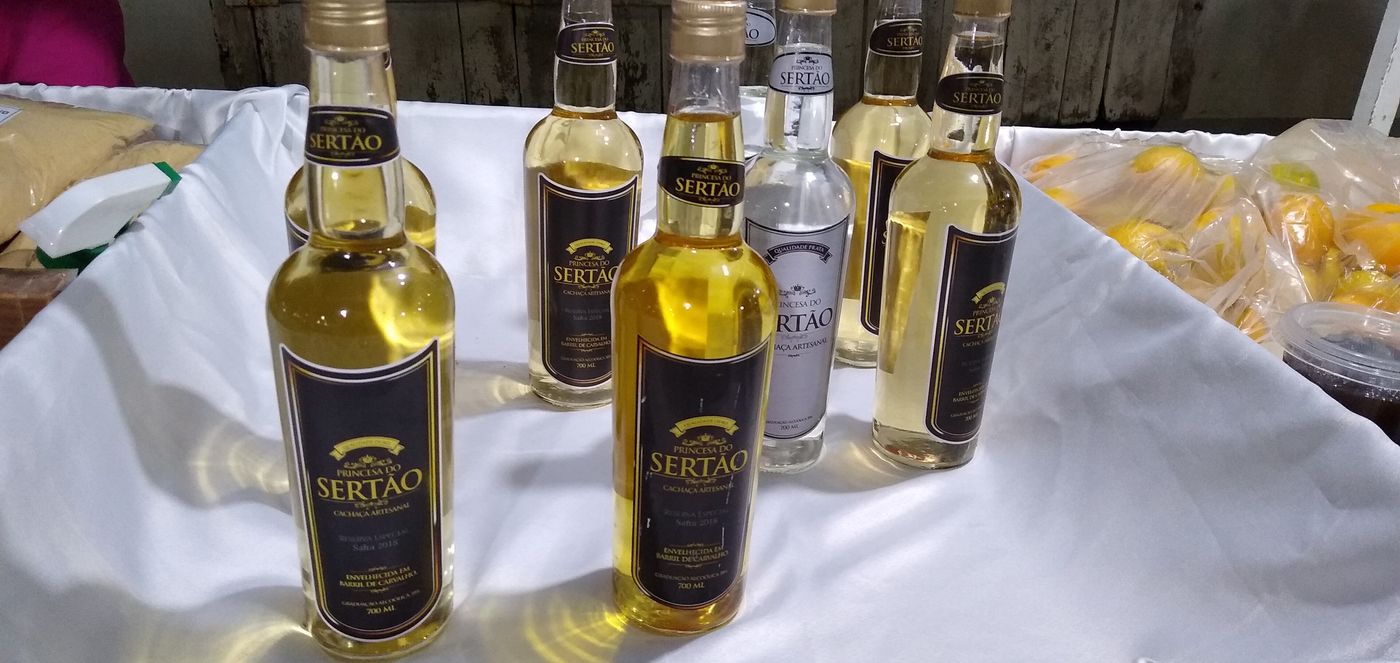
Cachaça does not have to be aged at all, and colour tells you part of the story. Clear cachaça is often labelled branca or prata, white or silver, and a spirit that has taken colour from the wood may be called amarela or ouro, yellow or gold. To count as aged, cachaça has to rest in wooden barrels of no more than 700 litres.
Three label terms describe time in wood. Envelhecida means at least half the cachaça in the bottle has aged for a year or more, premium means all of it has, and extra premium means all of it has aged for at least three years.
The barrels are part of what makes cachaça its own spirit. Producers use oak, including ex-bourbon casks, and native Brazilian woods such as amburana, each with its own effect on colour and flavour. Many native trees are under pressure from deforestation, which has led some distillers to move away from them.
The caipirinha
The International Bartenders Association lists the caipirinha among its official cocktails, in the Contemporary Classics category, with a short recipe: 60 ml of cachaça, one lime cut into small wedges and four teaspoons of white cane sugar. Muddle the lime and sugar gently in a double old-fashioned glass, fill it with cracked ice, pour in the cachaça and stir.
Its roots are in the countryside of São Paulo state, and the name is the diminutive of caipira, a word for country people. One account, told by the cachaça institute Ibrac, has it beginning around 1918 as a remedy for the Spanish flu, made with lime, garlic and honey; another places it with nineteenth-century landowners around Piracicaba. Over time the garlic and honey went, and sugar and ice came in.
It is often called Brazil's national cocktail, and Rio has claimed it too. In October 2019 the state of Rio de Janeiro declared the caipirinha part of its intangible heritage. The 2025 decree even defines a bottled, ready-made caipirinha: 15 to 36 per cent alcohol, made with cachaça, lime and sugar.
Variations
Swap the spirit and the name changes. Made with vodka it becomes a caipiroska, a name registered as a trademark by Smirnoff; with sake it is a sakerinha; with rum, a caipiríssima. A caipifruta keeps the cachaça and adds crushed fresh fruit, such as passion fruit, tangerine, pineapple, mango or cajá. Bartenders go further still, with Licor Beirão in a caipirão, which needs no sugar, or wine in a caipivinho.
Batidas are the other family. Cachaça is blended or shaken with ice, fruit juice or coconut milk and sugar, sometimes with condensed milk, and passion fruit and coconut are the most popular flavours. At Academia da Cachaça in Leblon the fruit batidas come in flavours such as acerola, cupuaçu, coconut and passion fruit, and can be taken away in small bottles.
Where cachaça is made
Minas Gerais has more cachaça businesses than any other state, 564 in the ministry's 2025 count. In the north of the state, the Região de Salinas was recognised as an Indicação de Procedência in 2012, a protected name covering Salinas and Novo Horizonte and parts of three neighbouring towns, where around 60 producers were working at the time. The producers' association received its certificate from the INPI, Brazil's industrial property office, in October 2013.
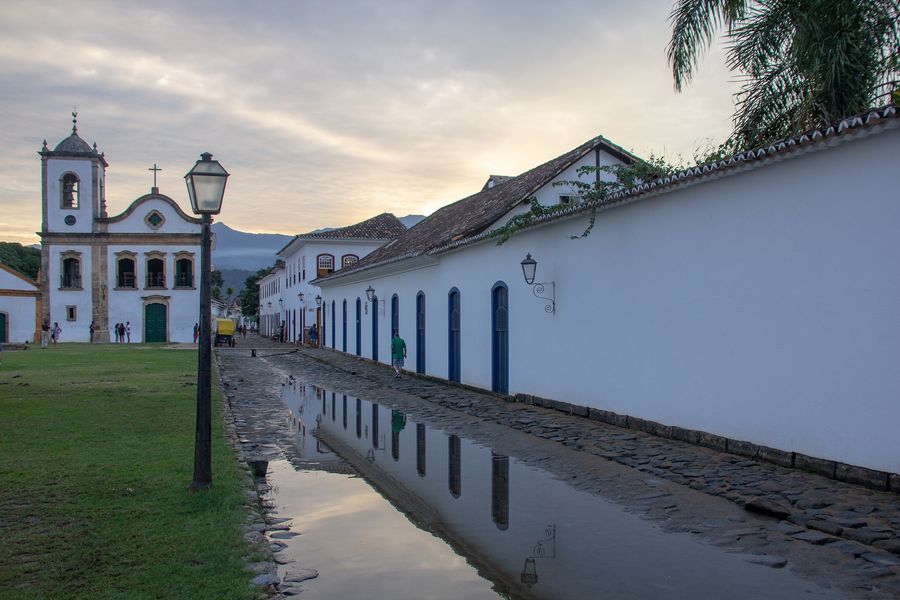
Paraty, on the coast of Rio state, has the longer record. More than 150 stills were working in the region by 1820, the town's cachaça won an Indicação de Procedência in 2007, and in 2024, at the request of the local producers' association, APACAP, it became the first Brazilian spirit with a Denominação de Origem. The Paraty guide covers the town and the trip.
Other well-known producing areas include Abaíra in Bahia, Chã Grande in Pernambuco, Monte Alegre do Sul in São Paulo and Luiz Alves in Santa Catarina. A tasting that sets a Salinas cachaça beside one from Paraty is the quickest way to learn the difference.
Cachaça in Rio's history
Rio has its own cachaça story. In November 1660, landowners from São Gonçalo, across Guanabara Bay, crossed the water and took over the city in protest at heavy taxes on cachaça producers and a Portuguese ban on the local spirit, with Jerônimo Barbalho Bezerra at their head.
They held Rio for five months. On 6 April 1661 forces loyal to the governor, Salvador Correia de Sá e Benevides, retook the city without a fight, and Barbalho was beheaded. The same year the regent in Lisbon, Luísa de Gusmão, allowed cachaça to be produced in Brazil again, although the ban on selling it locally lasted until 1695.
Brazil now marks a Dia Nacional da Cachaça on 13 September, a date usually linked to that revolt, although writers who have studied it call the connection a muddle. If your stay falls in mid-September, it is a good excuse for a tasting.
Where to taste cachaça in Rio
Academia da Cachaça in Leblon has been pouring since 1985 and is the easiest place to start. Its house caipirinhas show how far the drink stretches: the Acadêmica uses key lime, honey and a Salinas cachaça, the Aroeira pineapple with pink pepper, and the Carioca lime, passion fruit, demerara sugar and the house mate tea. In 2025 they cost around R$ 29 to R$ 32 each; check the current menu.
Try the melzinho too, the house mix of aged cachaça, honey and lime, or ask the staff for two or three cachaças from different regions to try neat. In 2025 a fruit batida cost around R$ 17 and a melzinho around R$ 14. Leblon is about 15 minutes from the villa by car, and there is a second Academia in Barra da Tijuca, in the Condado de Cascais on Avenida Armando Lombardi.
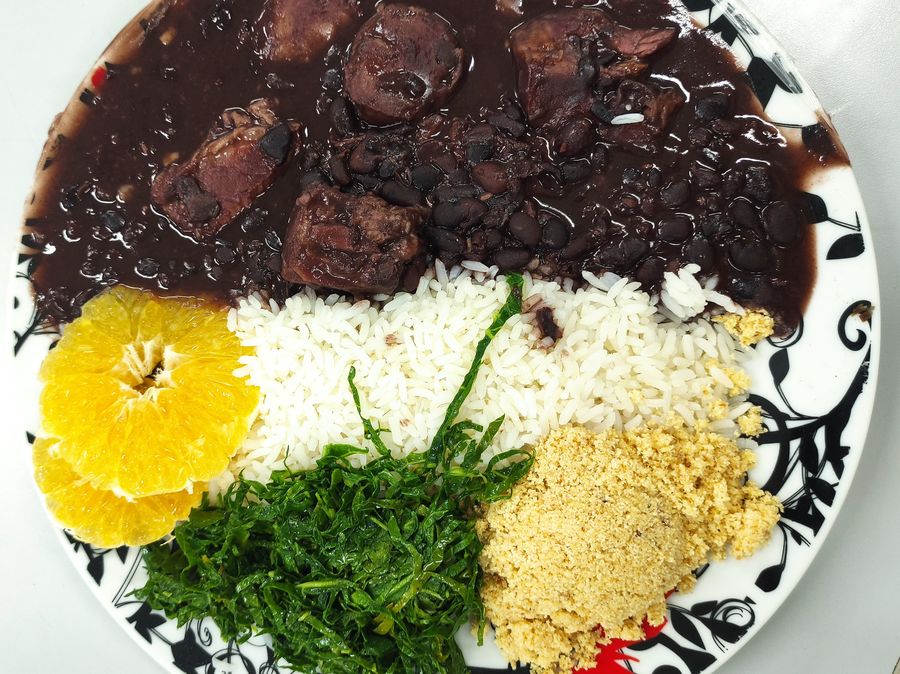
The Academia serves its feijoada every day as well, and a caipirinha is the classic drink alongside it. The feijoada guide covers the dish and the other places to eat it.
In the summer heat caipirinhas go down quickly, so keep a glass of water on the table between rounds.
Caipirinhas at the villa
Caipirinhas suit the house. Ask the private chef, who shops the morning markets, to bring back limes and whatever fruit is in season, and the glass pavilion becomes the bar for the evening.
The IBA recipe above is the place to start, one glass at a time, and a jug of passion-fruit or coconut batida works well for a group of ten. Pair it with a Saturday feijoada or a long evening at the table, as in dinner at the villa.
For a short tasting before dinner, set out two or three bottles: one branca, one aged in oak and one aged in amburana. Taste each neat from a small glass before anything goes into a cocktail, and the effect of the wood is easy to pick out side by side. For anyone not drinking, the same muddled lime and sugar topped with soda water and ice makes a sharp, cold lime soda.
Questions
What is the alcohol content of cachaça?
Under Brazil's Decree 12.709 of 2025, cachaça has 38 to 48 per cent alcohol by volume at 20°C.
Can cachaça be made outside Brazil?
No. Since 2001 “cachaça” has been a geographical indication of Brazil, reserved for producers established in the country, and the United States has recognised it as a distinctive Brazilian product since 2013.
How do you make a caipirinha?
The IBA recipe is 60 ml of cachaça, one lime cut into small wedges and four teaspoons of white cane sugar. Muddle the lime and sugar gently, fill the glass with cracked ice, add the cachaça and stir.
What is a caipiroska?
A caipirinha made with vodka instead of cachaça. Made with sake it is a sakerinha, and with rum a caipiríssima.
What does premium mean on a cachaça label?
All the cachaça in the bottle has aged in wood for at least a year. Extra premium means at least three years, and envelhecida means at least half of it has aged for a year.
Book the villa direct with Art de Vivre and ask the private chef to bring limes and fresh fruit from the morning market for caipirinhas by the pool.
Sources
Facts on this page were checked against these sources in October 2026. Opening hours and prices change: confirm before you go.
- Decreto nº 12.709, de 31 de outubro de 2025 (publicação original), Câmara dos Deputados
- Decreto nº 4.062, de 21 de dezembro de 2001 (publicação original), Câmara dos Deputados
- Cachaça, Wikipedia
- Mapa publica padrão de identidade e qualidade da aguardente e da cachaça (Notícias Agrícolas, Dec 2022, Portaria Mapa nº 539)
- Aguardente de cana e cachaça tem novo padrão de identidade e qualidade (Diário do Comércio)
- Caipirinha, International Bartenders Association
- Caipirinha, Wikipedia
- Rio declara caipirinha patrimônio imaterial, IstoÉ (Oct 2019)
- Batida, Wikipedia
- Cadeia produtiva da cachaça cresce 21% e registra 1.583 estabelecimentos, Tribuna PR (Aug 2026)
- INPI entrega certificado a produtores de cachaça em Minas, Estado de Minas (Oct 2013)
- Cachaça de Paraty conquista reconhecimento inédito, Agência Sebrae (Jan 2024)
- Paraty, Wikipedia
- Revolta da Cachaça: a história e os mitos, Outras Palavras (Sep 2024)
- Academia da Cachaça, official site
- Academia da Cachaça comemora 40 anos, Sopa Cultural (Feb 2025)
- Revolta da Cachaça, Wikipédia