Reserve direct
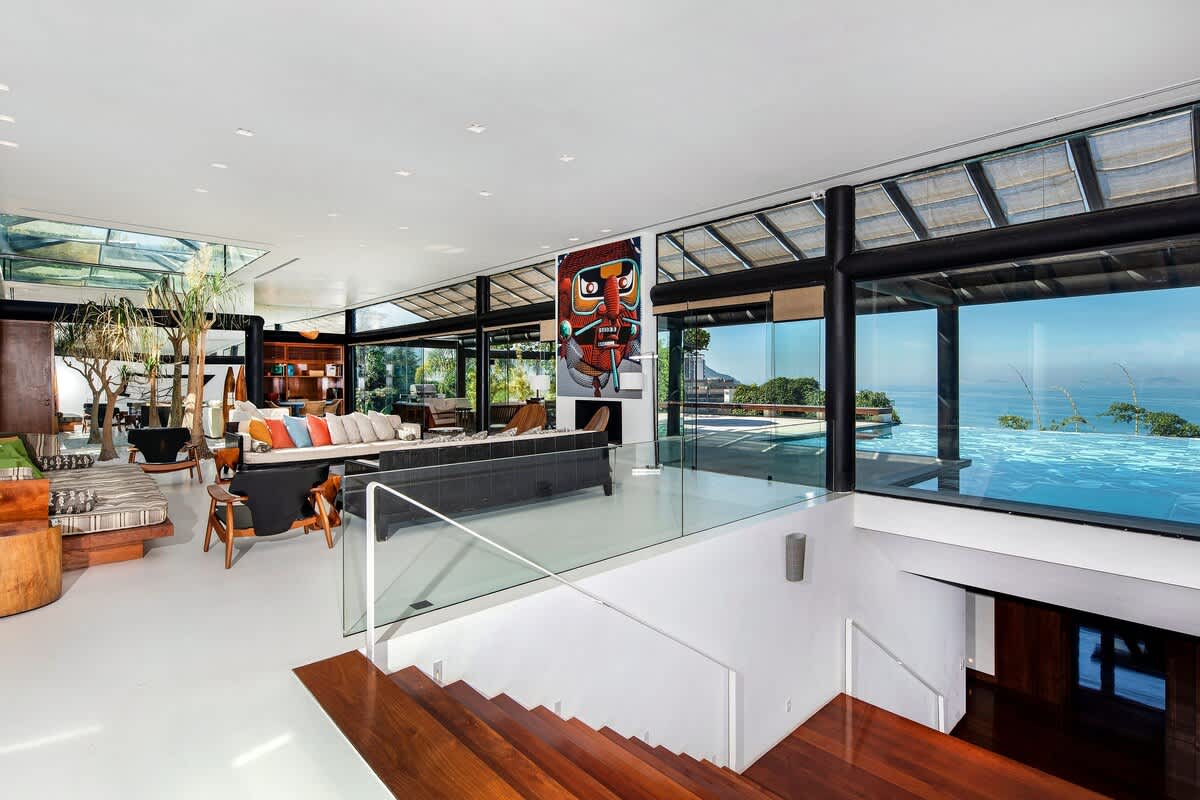
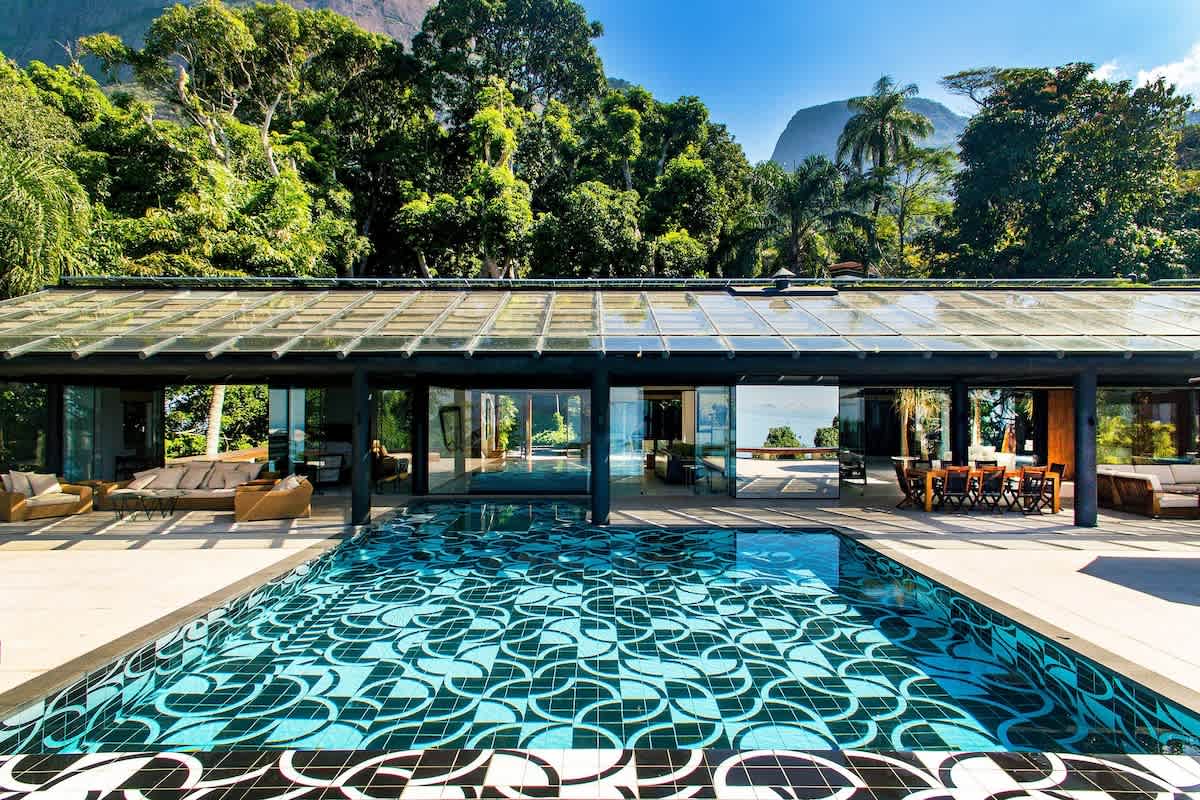
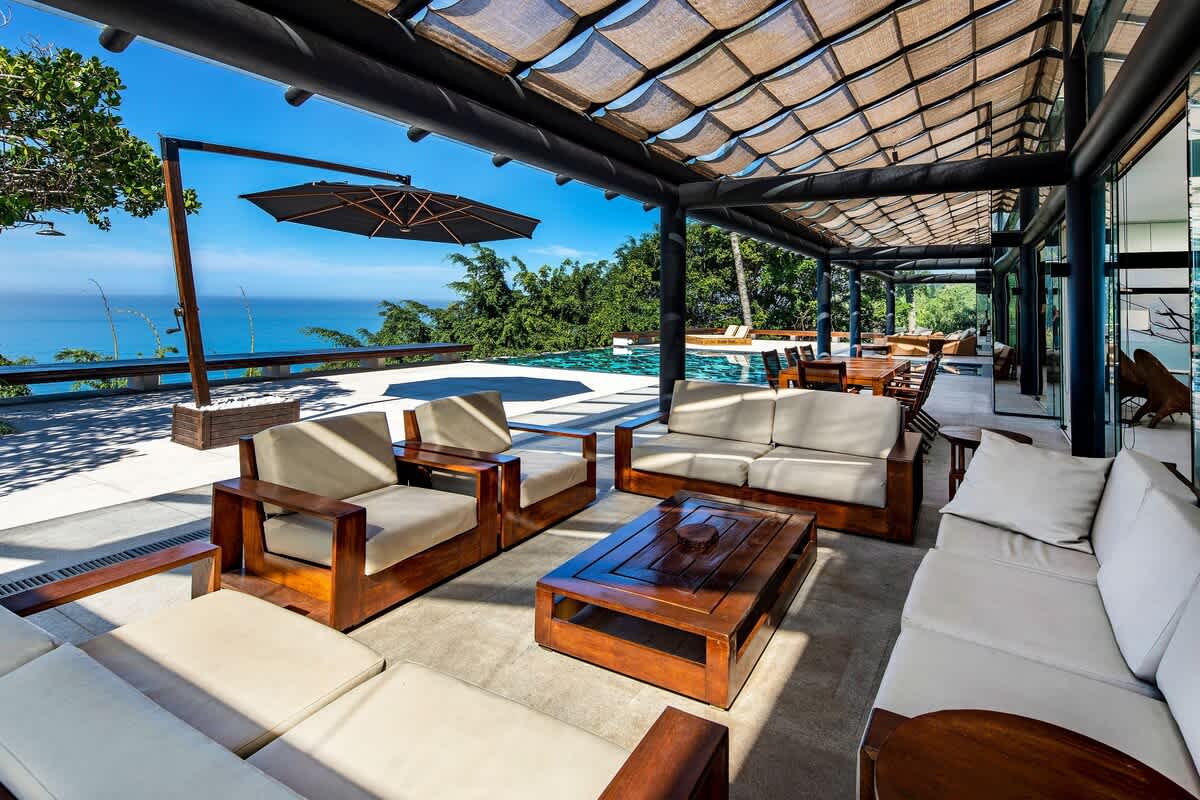
We run a five-suite villa with an infinity pool above São Conrado beach, and its rates and live availability are on the Art de Vivre booking page.
Book directGetting there
Petrópolis is about 80 km north of São Conrado by road. On a clear morning that is around an hour and a half in the car, and longer when Rio's traffic is heavy. The route crosses the city and then follows the BR-040 up the Serra da Estrela to a town centre at about 840 metres.
The easiest way up for a group is with the villa's English-speaking driver, arranged through Art de Vivre's concierge. You are dropped at each gate and collected when you are ready, so nobody has to think about parking in the old streets. If you would rather drive yourselves, the BR-040 is a toll road, and the last stretch is a mountain climb, so anyone prone to car sickness should sit up front. There is more on cars and drivers in getting to Rio and around.
Plan the trip for any day between Tuesday and Sunday. The Museu Imperial, the main reason to go, is closed on Mondays.
The imperial city
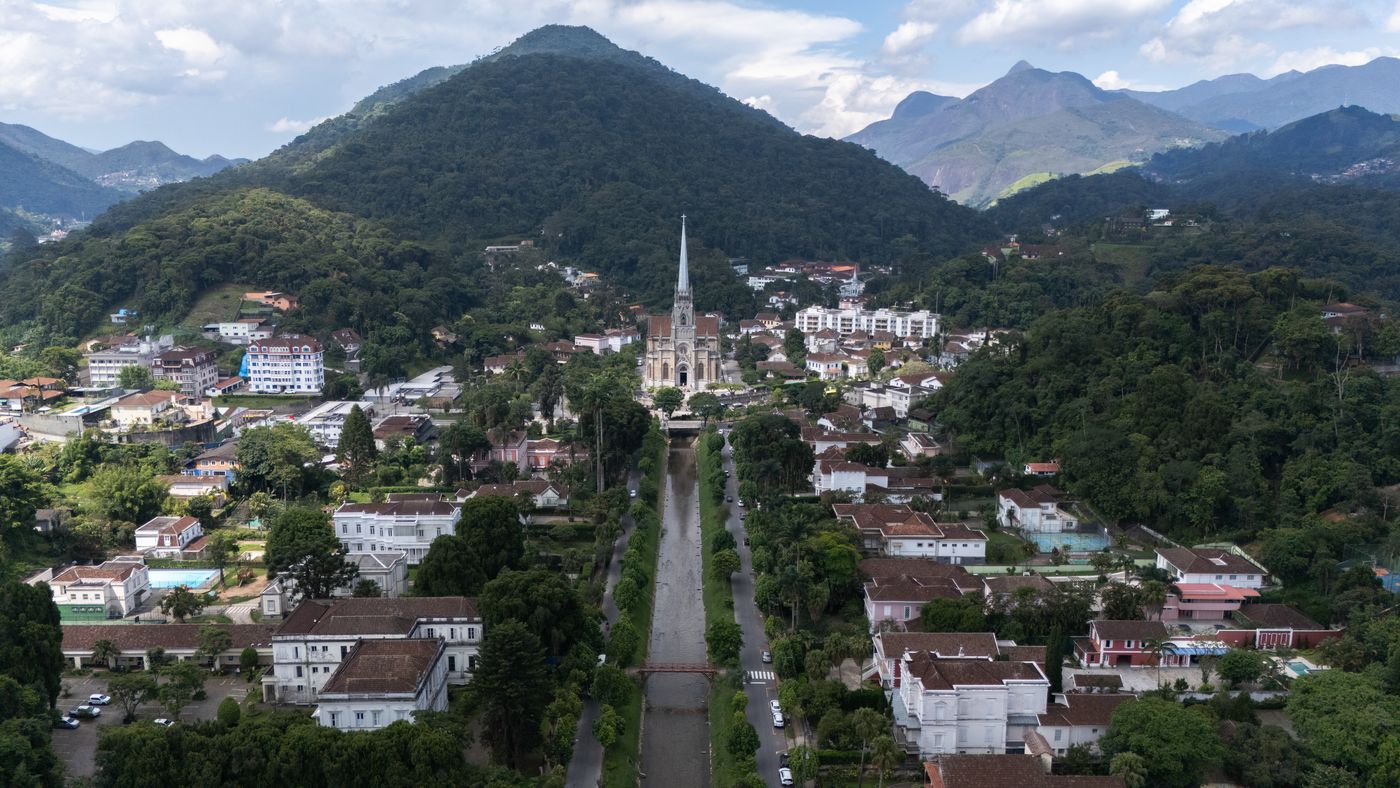
Petrópolis grew out of an emperor's fondness for these hills. Dom Pedro I stayed on a farm here in 1822, liked the area and bought the neighbouring Fazenda do Córrego Seco, meaning to build a palace on it. It was his son, Dom Pedro II, who signed the decree of 16 March 1843 that created the town, with a settlement to be built by German immigrants.
Major Júlio Frederico Koeler drew up the plan, and Petrópolis was laid out as a planned city. Each summer the whole court moved up the mountain, which made Petrópolis the seat of the empire for those months, and many Rio families followed to get away from the yellow fever outbreaks in the city below.
Between 1894 and 1902 the town also served as capital of the state of Rio de Janeiro. Today it is a city of about 280,000 people, and its imperial landmarks sit close together in the old centre. If this chapter of history appeals, Rio's historic centre shows the capital the court left behind each summer.
Museu Imperial
The emperor's summer palace is now the Museu Imperial, and it is the place to start. Building work ran from 1845 to 1862. President Getúlio Vargas created the museum by decree in 1940, and it opened on 16 March 1943, a hundred years to the day after the town's founding decree.
Visitors put on the museum's famous felt slippers before walking the rooms. Most visitors come for the crown made for Dom Pedro II's coronation in 1841, set with 639 diamonds and 77 pearls. Allow about an hour and a half for the palace and a stroll through the gardens.
The palace opens at 10am, with last entry at 5.15pm, and the gardens open earlier, at 7am. In 2026 a palace ticket cost around R$ 10, payable in cash or by Pix, and entry is free for everyone on Sundays. Hours and prices change, so check the museum's visitor page before you go.
On Friday and Saturday evenings at 7pm the museum stages Som e Luz, a sound-and-light show, with adult tickets around R$ 20. If you stay the night, it makes a good evening out.
The cathedral and the imperial tombs
About half a kilometre from the palace stands the Catedral São Pedro de Alcântara, a neo-Gothic church begun in 1884. It was inaugurated in 1925 before its main façade and tower were finished, and the tower went up between 1960 and 1969.
Inside is the imperial mausoleum, opened in 1939. Dom Pedro II and Empress Teresa Cristina rest here: their remains came back from Lisbon in 1921, were moved to the cathedral's sacristy in 1925 and were laid in the mausoleum in December 1939. Princess Isabel and her husband, the Count of Eu, lie with them, along with their eldest son, Pedro de Alcântara, Prince of Grão-Pará, and his wife.
It is a working cathedral, so dress as you would for any church and keep voices low near the tombs. Twenty minutes is enough to see the nave and the mausoleum.
Palácio de Cristal and the Casa de Santos Dumont
The Palácio de Cristal is a prefabricated glass pavilion whose structure was made in France, in the workshops of the Société Anonyme de Saint-Sauveur in Arras. The Count of Eu ordered it for Princess Isabel, and it opened in 1884 as a hall for agricultural exhibitions. Today it hosts exhibitions and events, among them the town's Bauernfest each winter.
Half a kilometre further on is the house the aviation pioneer Alberto Santos Dumont built for himself in 1918, known as A Encantada. He designed it his own way. The front steps have a racket shape that makes you start the climb on your right foot, and there is no kitchen: his meals were ordered in by a magneto telephone.
The city turned the house into a museum in 1956, and it reopened in July 2023 after a restoration. It is a small house, so a visit is quick and easy to fit in before lunch.
Palácio Quitandinha
About 4 km south-west of the old centre, the Palácio Quitandinha is a huge Norman-style building with a wide lawn and a lake shaped like the map of Brazil. The businessman Joaquim Rolla opened it in 1944 as a hotel-casino. In 1946 Brazil banned gambling, and the casino closed with it.
The hotel side carried on until 1962, and from 1963 its rooms were sold as private flats. Sesc now runs the grand ground floor as the Centro Cultural Sesc Quitandinha, which opened in 2023 with free exhibitions and cultural events. In July 2026 it added a family play area with bumper cars and trampolines in the old skating rink.
Opening hours differ between the exhibition rooms and the play area, so check before you go. An hour is enough to walk the public rooms and the garden by the lake.
Rua Teresa and Itaipava
Rua Teresa is Petrópolis's clothing street, a shopping hub that draws wholesale and retail buyers from across Brazil. Give the shoppers in the group an hour there while the others find a coffee.
Itaipava, the town's third district, lies about 15 km north of the historic centre along the Estrada União e Indústria. Dom Pedro II opened that road in 1861, and it was the first macadamised road in Latin America. Today Itaipava is known for its upscale restaurants and small shopping centres, popular with visitors from Rio.
If a long lunch is the plan, do the museums in the morning and ask the driver to take you out to Itaipava afterwards. The drive takes around 20 to 30 minutes.
A day in Petrópolis
Leave the villa after an early breakfast and you can be at the palace gate soon after it opens at 10am. Give the morning to the Museu Imperial, then walk to the cathedral, the Palácio de Cristal and the Casa de Santos Dumont, which all sit within about a kilometre and a half of each other.
Have lunch in the centre or have the driver take you to Itaipava, and keep the Palácio Quitandinha for the afternoon. Start back down by late afternoon and you will be home in time for a swim and, if you have booked one through Art de Vivre, a dinner from the private chef.
With a night away, the day becomes slower. Book a night nearby on a Friday or a Saturday, catch the 7pm Som e Luz show at the museum, and save the next morning for Itaipava or a walk in the cool air before the drive home. It sits well in the middle of a week at the villa.
When to go
Petrópolis has a highland climate, with warm, wet summers and dry, cooler winters. Across the year the average high is about 25°C and the average low about 15°C. In July, the coldest month, nights average around 11°C, so bring a jumper even if Rio is warm when you leave.
Winter, from June to August, brings the driest days and the Bauernfest, the festival of the town's German immigrants, held at the Palácio de Cristal from late June into early July with free entry. In 2026 it ran for the 37th time, with German food, beer and folk traditions.
Summer is the rainy season in the hills, so set off early and keep umbrellas in the car. Spring and autumn give mild days for walking, and a weekday visit is usually calmer than a weekend. For Rio's own seasons, see when to visit Rio.
Questions
How far is Petrópolis from Rio de Janeiro?
Petrópolis is about 68 km from the city of Rio and about 80 km by road from São Conrado. Plan on around an hour and a half by car, more in heavy traffic.
Is the Museu Imperial open on Mondays?
No. The Museu Imperial opens Tuesday to Sunday and on most public holidays, and stays closed on Mondays. Entry is free for everyone on Sundays.
Who is buried in Petrópolis Cathedral?
The imperial mausoleum in the Catedral São Pedro de Alcântara holds Dom Pedro II, Empress Teresa Cristina, Princess Isabel and the Count of Eu, among other members of the imperial family.
What is the weather like in Petrópolis?
Petrópolis has a highland climate. The average high is about 25°C and the average low about 15°C, and July nights average around 11°C.
Can you visit Petrópolis as a day trip from Rio?
Yes. Leave in the morning, see the palace, the cathedral and the centre, and drive back by evening. An overnight adds the Friday and Saturday Som e Luz show at the Museu Imperial.
Spend the day in the emperor's hills and come home to a swim at the villa above São Conrado: book direct with Art de Vivre and the concierge will have the driver ready.
Sources
Facts on this page were checked against these sources in October 2026. Opening hours and prices change: confirm before you go.
- Petrópolis (Wikipédia)
- Organize sua visita | Museu Imperial
- Museu Imperial (Wikipédia)
- Imperial Crown of Brazil (Wikipedia)
- Cathedral of Petrópolis (Wikipedia)
- Palácio de Cristal (Petrópolis) (Wikipédia)
- Casa de Santos Dumont (Wikipédia)
- Museu em casa onde morou Santos Dumont é reinaugurado em Petrópolis (Folha de Pernambuco, 2023)
- Palácio Quitandinha (Wikipédia)
- Sesc transforma Palácio Quitandinha em centro cultural (IstoÉ / Agência Brasil, 2023)
- Centro Cultural Sesc Quitandinha ganha novo espaço com diversão para todas as idades (Diário do Rio, 2026)
- Itaipava (Wikipédia)
- Estrada União e Indústria (Wikipedia)
- Bauernfest reúne gastronomia, cervejas e tradições alemãs em Petrópolis (Tribuna de Minas, 2026)
- Elovias assume BR-040 entre JF e Rio com obras e aumento no pedágio (Agência iNfra, 2025)