The two big views
Rio's two signature viewpoints are worth doing early in a trip, and both reward an early start. From the villa the concierge arranges an English-speaking driver, so you skip the parking and the queues.
Cristo Redentor stands on top of Corcovado, looking out over the whole city. Go first thing in the morning, before the cloud builds over the peak and the crowds arrive on the mid-morning trains. A clear, dry morning opens the long view over the Lagoa, the beaches, and Pão de Açúcar across the water. If the summit is capped in cloud when you wake, wait a day — the view is the reason to go, and it changes hour to hour.
Pão de Açúcar is the other one, reached by cable car from Urca. It climbs in two stages, with a stop on the lower hill before the top. Late afternoon is the pick: the light softens, the heat drops, and you can watch the sun go down over the city from the upper station. It reads differently from Corcovado — lower, closer to the water, with the harbour laid out below.
The Lagoa and Jardim Botânico
Closer in, the Lagoa Rodrigo de Freitas is the easiest morning in Rio. A flat path runs the whole way around the water, a good loop on foot or by bike, with the hills and Cristo Redentor in view for most of it. Rent bikes at the edge and let the kids set the pace; there are playgrounds and kiosks along the bank when someone needs a break.
On the far side sits the Jardim Botânico, the city's botanical garden. It is shaded and calm, with a long avenue of royal palms, an orchid house, and room for children to run. Go early, before the day heats up, and give it a couple of unhurried hours. Monkeys and toucans turn up in the canopy if you are patient.
Both sit about fifteen minutes from the villa toward Leblon and Ipanema, so you can fold in a seafood lunch or an afternoon on the sand on the way back.
Into the Tijuca forest
When the coast gets hot, the Parque Nacional da Tijuca is the cooler, greener option — a large stretch of Atlantic forest in the middle of the city, noticeably cooler under the canopy. The concierge sets up a guided day with a driver who knows the road up.
Inside there are waterfalls to stand under, quiet pools, and lookouts that open onto the city and the sea. It is an easy place to spend a morning on short forest trails, then find shade for lunch. Families do well here; the trails can be gentle, and the payoff is a swim under falling water rather than a hard climb.
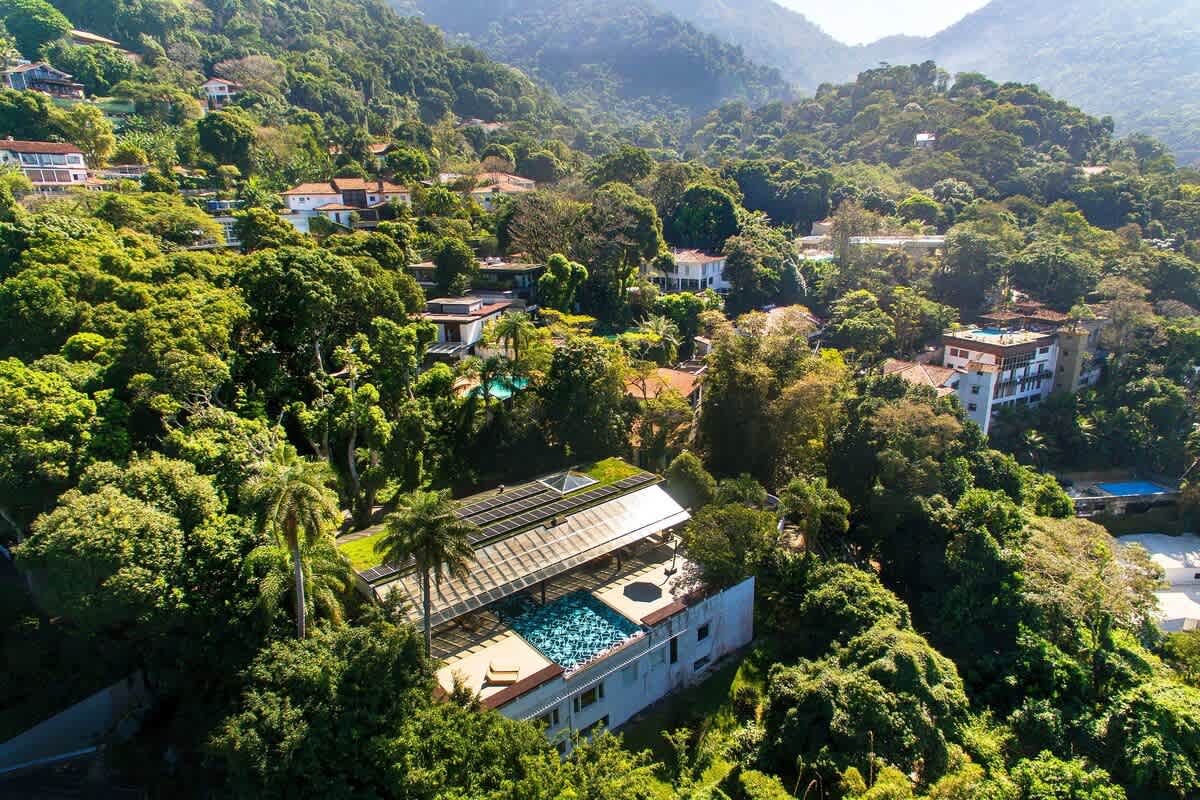
For walkers who want a summit, the trailheads for Pedra Bonita and Pedra da Gávea are close to the villa, behind the house. Pedra Bonita is the gentler of the two and gives you the coastline from above. Pedra da Gávea is a real scramble and wants a guide, which Art de Vivre arranges.
Santa Teresa and old Rio
For a change from the beach, spend an afternoon in Santa Teresa, the hillside neighbourhood above the centre. Its streets are narrow and steep, lined with old houses, small studios, and cafés that look back over the rooftops. It moves at a slower pace than the coast, and it is a good place to wander without a fixed plan.
Down the hill, Centro is the old heart of the city — colonial churches, wide squares, and the grand buildings from Rio's years as the country's capital. A guided morning here fills in the history the beaches do not tell. Weekdays are busy with office workers; a Saturday is quieter and easier to walk.
Have the driver drop you at the top of Santa Teresa and work downhill on foot, with a coffee or a long lunch somewhere along the way.
A day on the water
One of the best days out of Rio never touches the road. The concierge arranges a skippered boat for the whole party — you leave from the marina and run along the coast, seeing the city and the hills from an angle few visitors get.
The day is yours to shape. Anchor off a quiet cove to swim, carry on out to the islands offshore for clearer water, and eat lunch aboard while the crew handles the rest. It suits families and mixed groups: shade on deck, room to spread out, and an easy pace back in time for sunset.
Bring sun cover and not much else. The boat, the route, and the food are set up in advance through Art de Vivre, so the day asks nothing of you but showing up.
Music and a match
Two evenings worth building in. A samba night is the easy one — live music in a bar or an old dance hall, a crowd that knows every word, and a rhythm that carries into the small hours. The driver takes you and, more to the point, brings you home.
If there is a game on while you are in town, a match at Maracanã is the other. The stadium fills for a big match, and even for people who do not follow the football, the noise and colour of a full house is its own event. The concierge sorts the tickets and a driver, so you arrive and leave without the crush.
Slow days at the villa
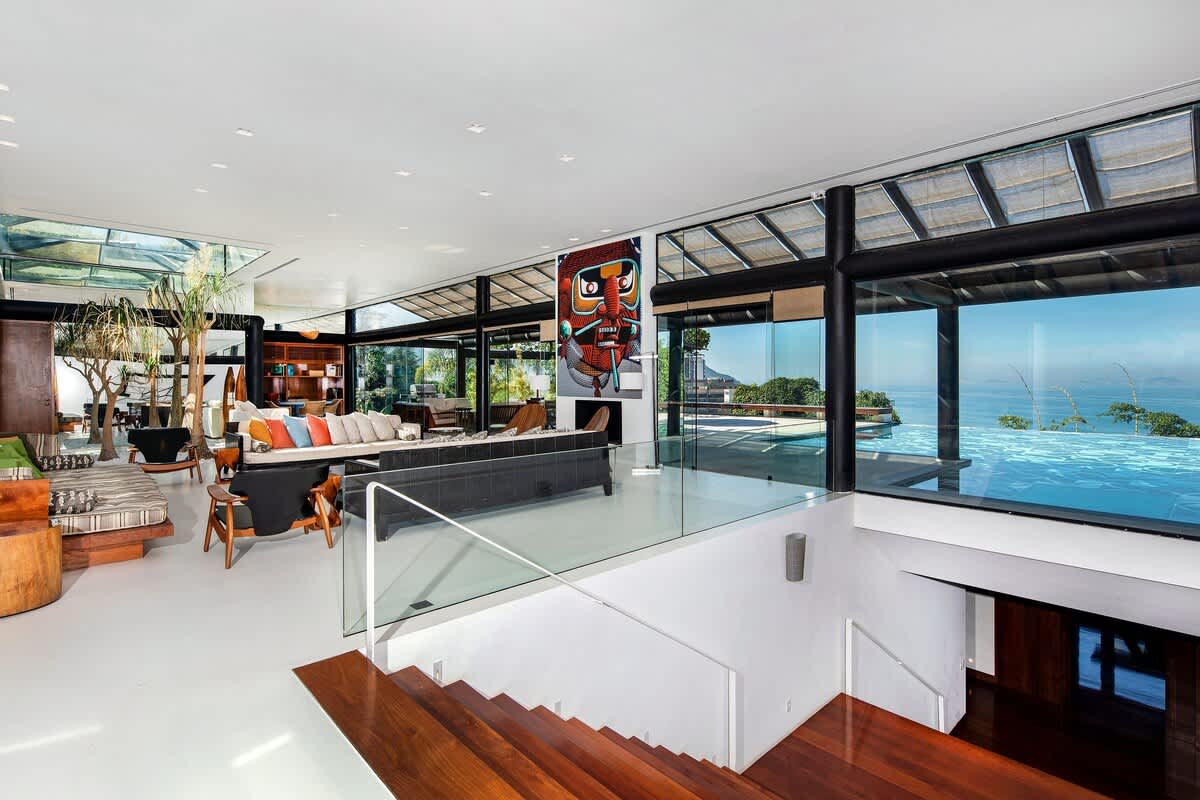
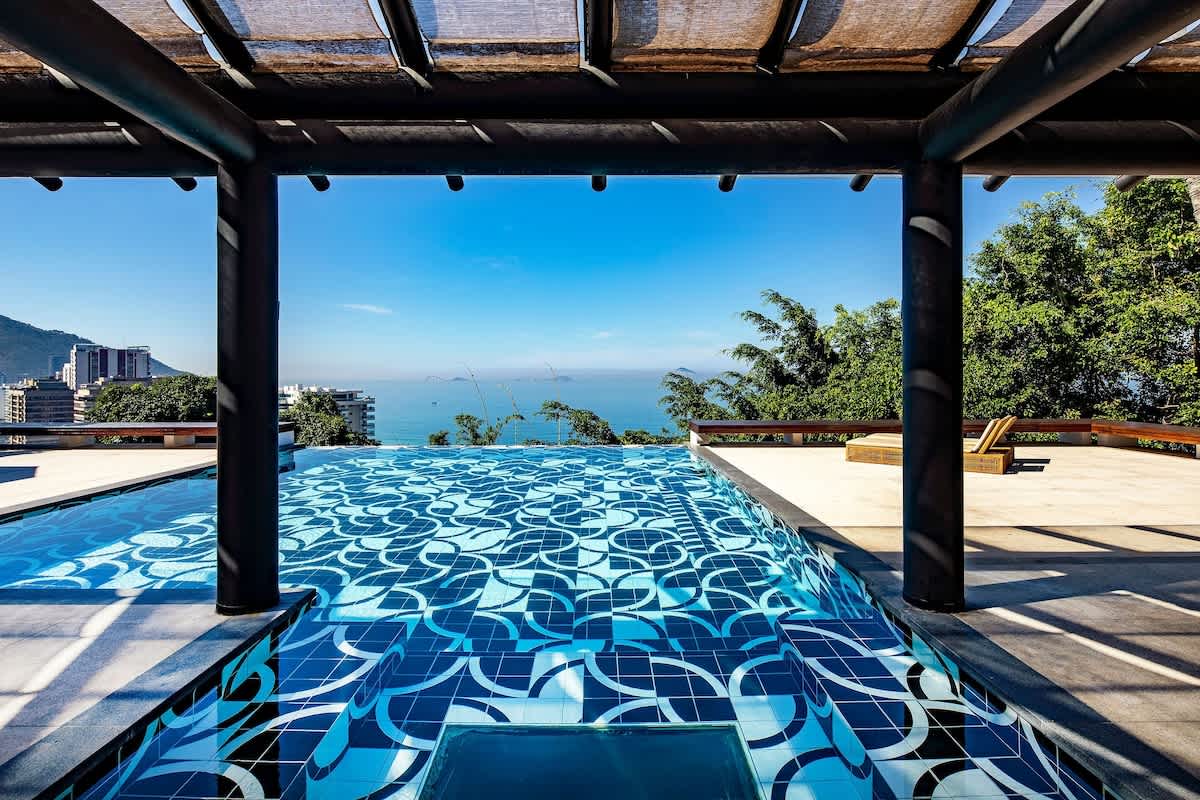
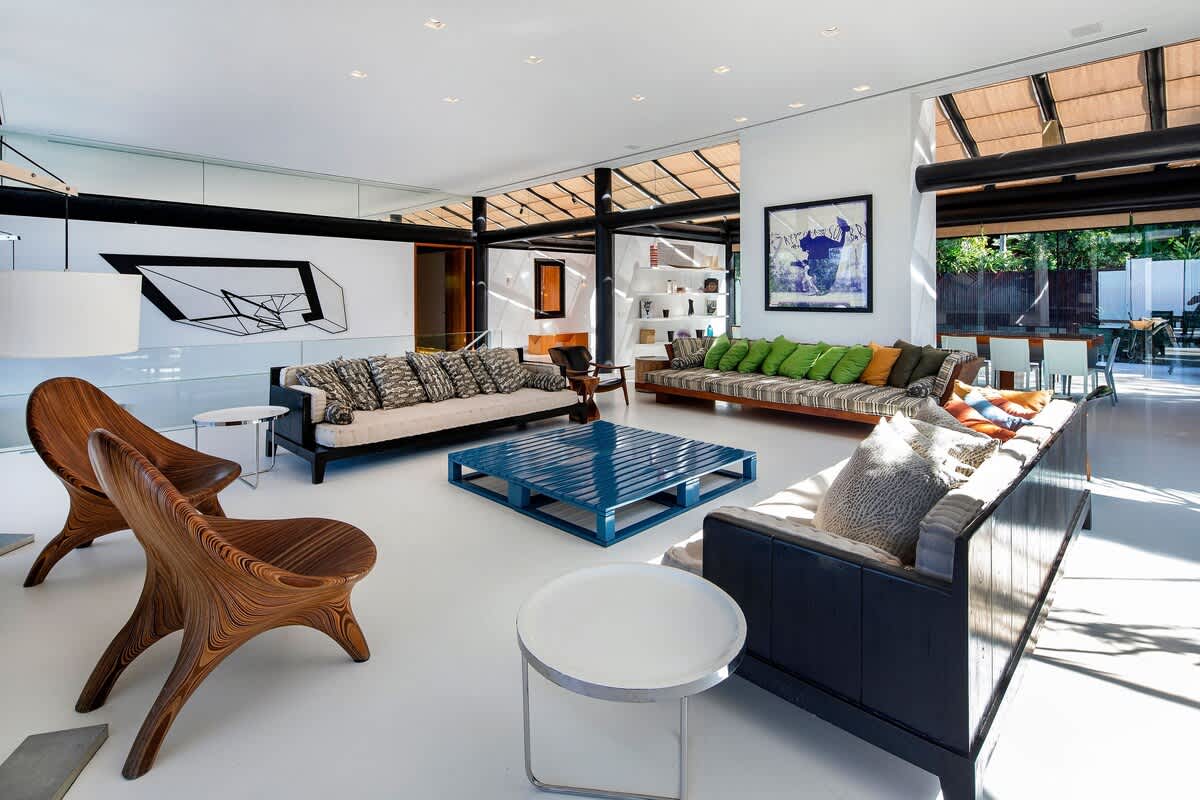
Not every day needs a plan. The villa is built for the slow ones — the mosaic pool runs the width of the deck, the terrace falls into shade by mid-afternoon, and the Atlantic is in front of you the whole time. Some of the best days here never leave the gate.
Have the concierge bring in a private chef for the evening. Breakfast on the deck, a long lunch for the whole party, or a full dinner cooked from the morning markets — it is the easiest way to eat well without booking a table or driving anywhere. The chef shops, cooks, and clears; you stay put.
End the day on the terrace as the sun drops behind the headland. This is the corner everyone finds by evening, glass in hand, with the beach below and Pedra da Gávea going dark behind the house. After a week of the city, the villa is the reason you slow down.
When your dates firm up, reserve the villa direct with Art de Vivre and we will set the chef, the driver, and the boat day in place before you land.