Reserve direct
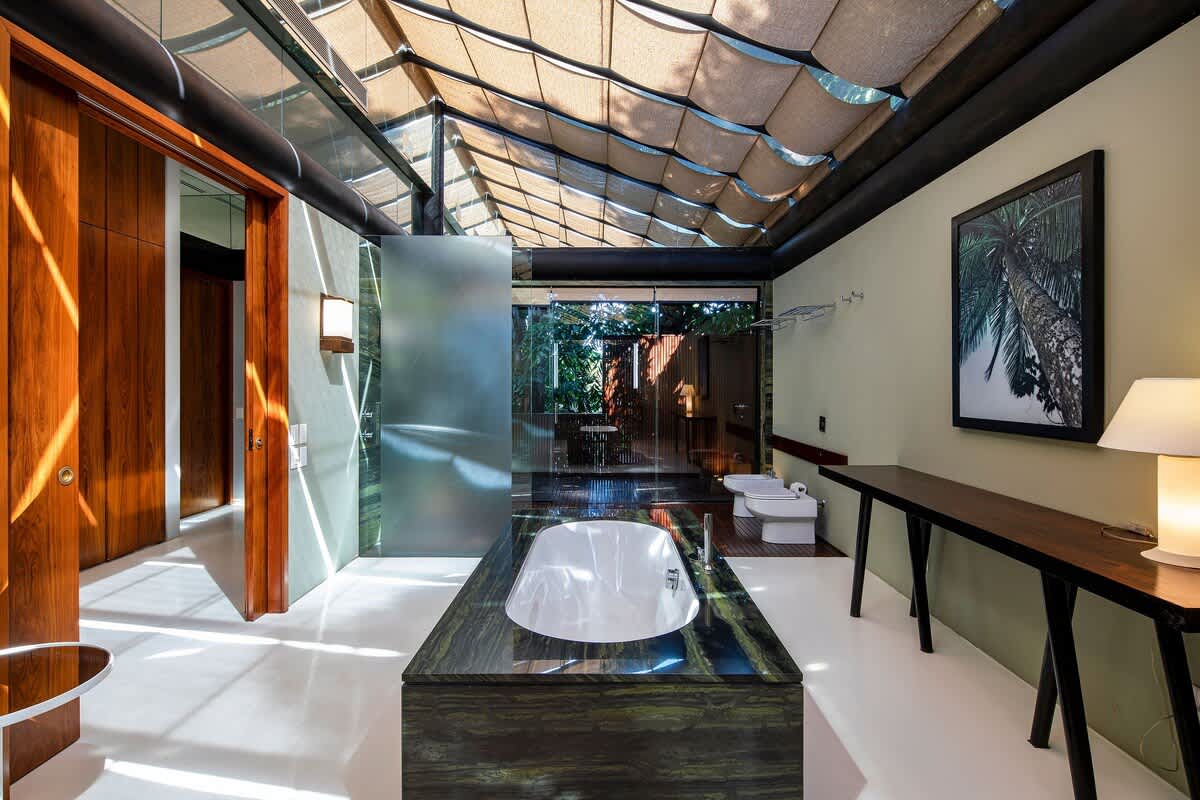
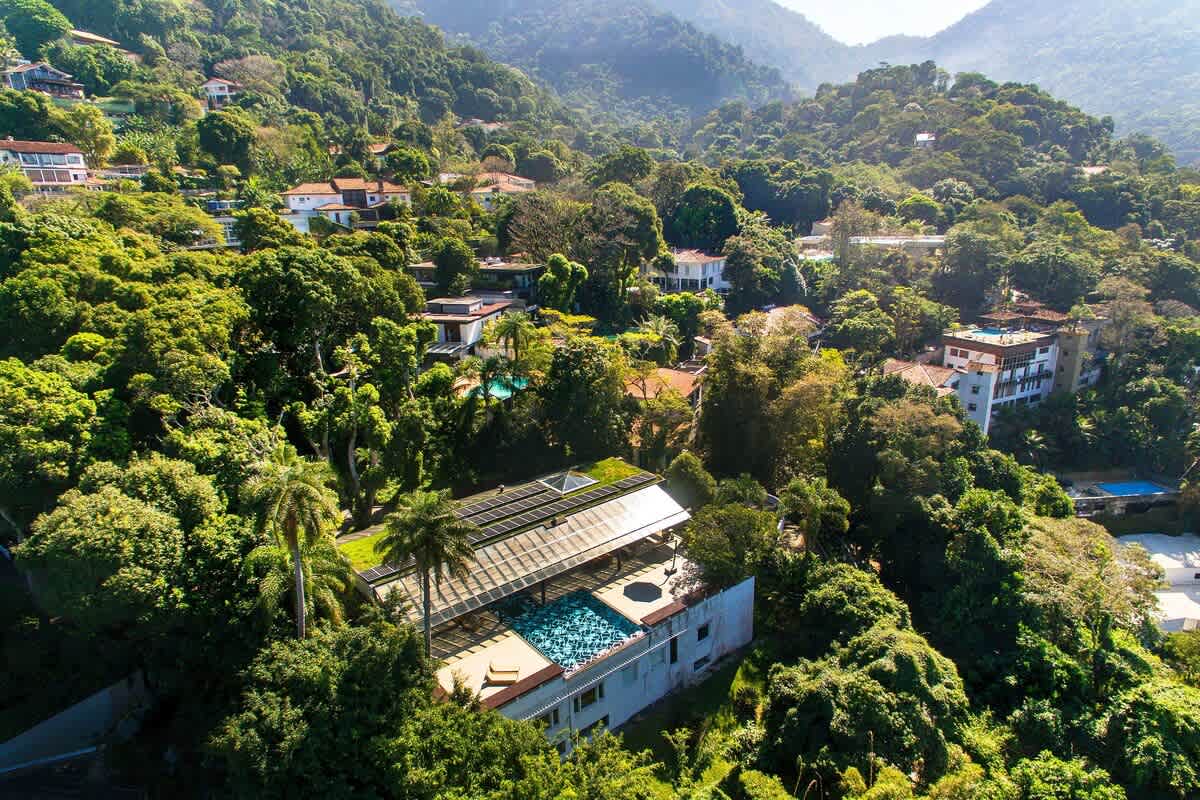
We run a five-suite villa with an infinity pool above São Conrado beach, and its rates and live availability are on the Art de Vivre booking page.
Book directOfficial sources
The rules below were checked in October 2026 against Brazil's own government pages, the travel advice of the Canadian and British governments and the health advice of the US Centers for Disease Control and Prevention. Entry rules change, sometimes at short notice, so confirm the details for your nationality on the official sites before you book flights.
The places to check are the Brazilian Foreign Ministry's consular pages on gov.br, the official e-visa portal at brazil.vfsevisa.com, and the Receita Federal's traveller declaration page. If anything about your own case is unclear, ask the nearest Brazilian consulate rather than relying on a third-party site.
Who needs a visa
Most visitors from Europe do not need a visa for a holiday. Citizens of the European Union and the EFTA countries, the United Kingdom, Argentina, Chile, Japan, New Zealand, South Africa and Israel, among others, can enter visa-free for tourism.
A visa-free stay is up to 90 days. It can be extended through the Federal Police, but combined stays may not exceed 180 days in any 12-month period.
Citizens of the United States, Canada and Australia do need a visa. Brazil ended its unilateral exemption for those three countries on 10 April 2025, and the Canadian government's travel advice, updated on 26 October 2026, still lists the visa as required.
Other nationalities follow their own rules, and some need a visa from a consulate before travel. Check the Foreign Ministry's visa table for each passport in your group, including any second passports.
The e-visa for US, Canadian and Australian citizens
Holidaymakers from the US, Canada and Australia apply for an electronic visitor visa, the e-visa, entirely online through the official portal, brazil.vfsevisa.com, run for the Foreign Ministry by VFS Global. There is no need to visit a consulate, and the visa arrives by email.
The fee is US$ 80.90 per applicant. The e-visa is valid for up to 10 years for US citizens and up to 5 years for Canadians and Australians, and allows multiple entries while it is valid. Each stay is limited to 90 days, which the Federal Police can extend, with 180 days the most in any 12 months. It covers tourism, business, transit and sports or artistic activities.
Brazilian consulates quote around 5 to 10 working days to issue it, so apply well before you travel, and apply only through the official portal. The application asks for your passport details and a passport-style photo; the portal lists any other documents it needs for your case.
Each traveller needs their own e-visa, children included. At the border you show your passport and a printed copy of the e-visa.
Passports and dual nationals
Canada's official advice is that your passport must be valid for the whole of your stay in Brazil, and the UK government advises at least six months of validity from the date you arrive. Travelling with six months left keeps you clear of both, and of airline rules that can be stricter. Keep a photo of each passport's main page on your phone as a backup.
Dual nationals who also hold Brazilian citizenship should enter and leave Brazil on their Brazilian passport, and Brazilian citizens are not eligible for a Brazilian visa. The UK government notes that Brazilian immigration often asks dual nationals to travel on their Brazilian passport. If anyone in your group is a dual national, check their case with the consulate before you book.
Arriving at the airport
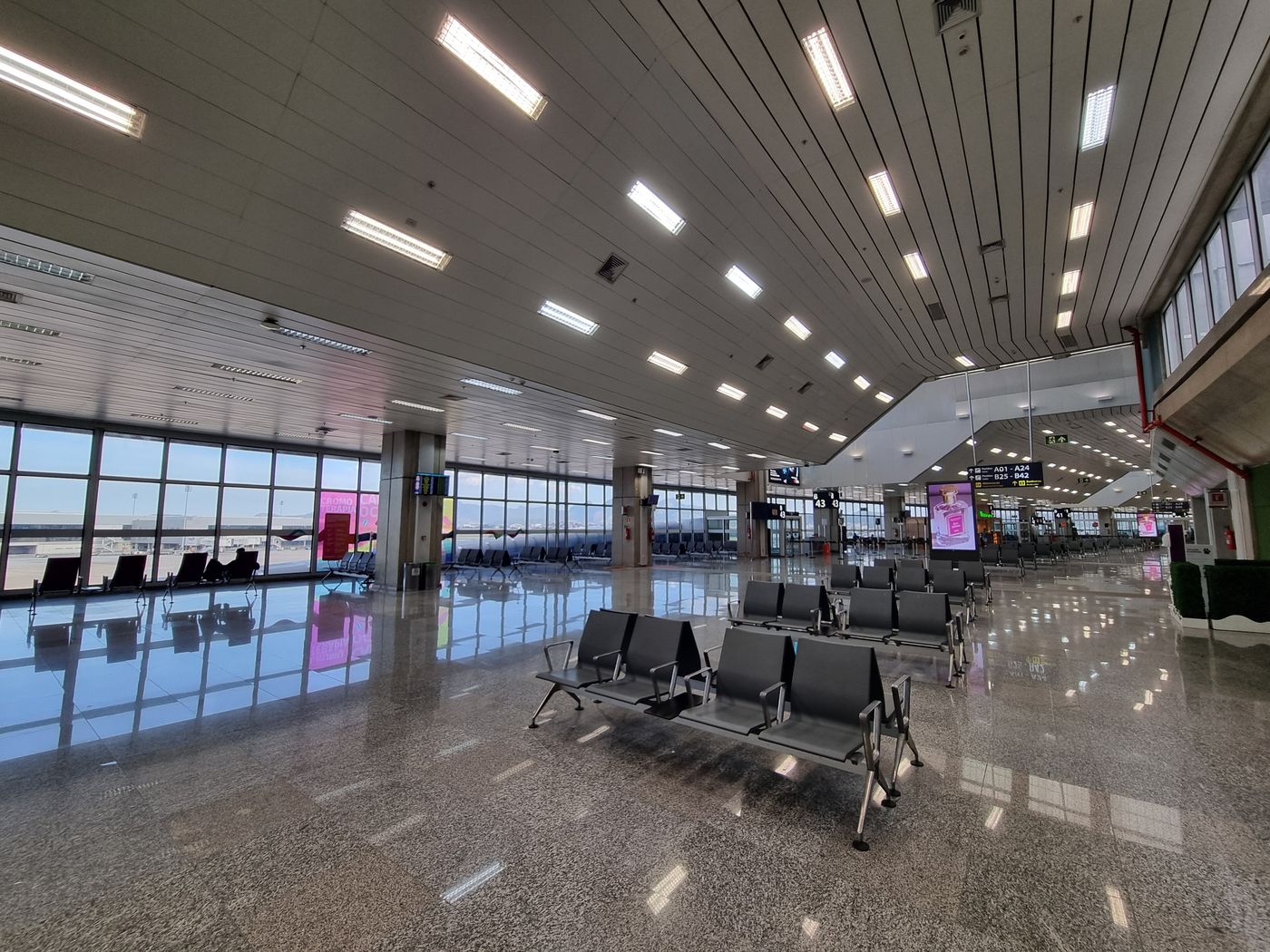
At immigration, a Federal Police officer scans your passport and may take a photograph and your fingerprints. Make sure the officer stamps your passport, and keep the printed e-visa with it if you have one. The Federal Police records your exit when you leave and checks that you stayed within the time allowed; if you want to stay longer, ask the Federal Police for an extension before your permitted stay runs out.
If you are carrying goods above the customs allowances, or more than US$ 10,000 in cash (or the equivalent in another currency), declare them with the e-DBV, the electronic traveller's declaration on gov.br, which you can fill in online before the trip. Cash up to that amount does not need declaring.
Vaccinations
Brazil does not require proof of yellow fever vaccination to enter. The US Centers for Disease Control and Prevention does recommend the vaccine for travellers aged nine months or older going to Rio de Janeiro state, including the city of Rio and its coastal islands, and Canada's advice says vaccination is recommended depending on your itinerary.
The CDC also advises being up to date on routine vaccines, including measles, mumps and rubella, and recommends hepatitis A for unvaccinated travellers aged one or over and hepatitis B for unvaccinated travellers under 60. Typhoid is worth considering mainly for long stays or rural travel, and the CDC advises COVID-19 vaccination for all eligible travellers.
See your doctor or a travel clinic well before the trip, and take any vaccination certificate with you. Your own government's travel health pages are the best guide for your nationality.
Customs allowances
Arriving by air, each traveller has a duty-free allowance of US$ 1,000, or the equivalent, for goods subject to tax. The allowance is individual and cannot be pooled, even within a family, and books, magazines and items for personal use are exempt.
There is an extra US$ 1,000 allowance for purchases in the arrival duty-free shops of the first Brazilian airport you land at. Quantity limits apply to the baggage allowance: 12 litres of alcoholic drinks in total, 10 packs of 20 cigarettes, 25 cigars or cigarillos and 250 grams of tobacco.
In the arrival duty-free shops the limits are 24 units of alcoholic drinks, no more than 12 of any one type, 20 packs of cigarettes, 25 cigars or cigarillos and 250 grams of pipe tobacco. Goods you bring should be in quantities that fit the trip, and new items need proof of purchase. Under-18s cannot buy alcohol or tobacco in the duty-free shops.
Anything above the allowances is taxed, so declare it rather than risk a penalty. The Receita Federal's traveller pages set out the current figures.
Travelling with children
Foreign children need their own passport and, for US, Canadian and Australian citizens, their own e-visa. The UK government advises that non-Brazilian under-18s travelling without one or both parents carry the original or a notarised copy of their birth certificate, and Brazilian consulates ask for a birth certificate and parental authorisation in a child's e-visa application. The paperwork for children travelling with one parent or with other adults varies, so confirm it with the consulate before you fly.
The strictest rules apply to Brazilian children, including dual nationals, when they leave Brazil. Under a 2011 resolution of Brazil's National Council of Justice, a child travelling abroad with both parents needs no authorisation, but one travelling with only one parent needs the other parent's written authorisation with a notarised signature, and one travelling alone or with other adults needs authorisation from both.
Canada's advice adds that the parent or guardian giving the authorisation shows their original ID, the child's passport and the original or a certified copy of the child's Brazilian birth certificate. Parents can issue the authorisation electronically through Brazil's e-Notariado system, and for a Brazilian child who lives abroad, a residence certificate from a Brazilian consulate, valid for up to two years, can replace one parent's authorisation. A travel authorisation issued outside Brazil needs an apostille. If a child has anything to declare at customs, the e-DBV is made in the child's name and signed by a parent or guardian. The Rio with children guide covers the stay itself.
From the airport to the villa
Once you are through, the villa is about 45 minutes from Galeão airport. Art de Vivre's concierge can arrange an English-speaking driver for the airport transfer. The getting to Rio guide covers airports and transfers.
Bring a card and a little cash for the first day; the money guide explains cards, cash and Pix. When you book the house direct with Art de Vivre, send your flight details and the transfer is arranged before you land.
Questions
Do US citizens need a visa for Brazil in 2026?
Yes. Since 10 April 2025, US, Canadian and Australian citizens need a visitor visa, applied for online as an e-visa at brazil.vfsevisa.com for US$ 80.90. Confirm current rules with a Brazilian consulate before you travel.
Do UK and EU citizens need a visa for Brazil?
No, not for tourism. UK and EU citizens can stay visa-free for up to 90 days; an extension can be requested from the Federal Police, and combined stays cannot exceed 180 days in any 12 months.
Is the yellow fever vaccine required for Rio de Janeiro?
It is not required to enter Brazil. The CDC recommends it for travellers aged nine months or older going to Rio de Janeiro state, including the city.
How much cash can you bring into Brazil?
You can bring more than US$ 10,000, but cash above that amount, or the equivalent in another currency, must be declared with the e-DBV, which you can fill in online before the trip.
Do children need a travel authorisation to visit Brazil?
Foreign children need their own passport and, where required, their own e-visa; a child travelling without one or both parents should carry the original or a notarised copy of the birth certificate. Brazilian children, including dual nationals, need written parental authorisation to leave Brazil unless they travel with both parents. Confirm the details with the consulate.
Book the villa direct with Art de Vivre, send your flight details, and the concierge's driver will be waiting when you clear immigration.
Sources
Facts on this page were checked against these sources in October 2026. Opening hours and prices change: confirm before you go.
- Visto eletrônico para turistas dos Estados Unidos, Austrália e Canadá, Ministério do Turismo
- Brasil retoma exigência de visto para turistas dos EUA, Canadá e Austrália, Exame (Apr 2025)
- Electronic Visitor Visa (e-Visa), U.S., Canadian & Australian Citizens, Consulate General of Brazil in Miami
- Visitor visa requirement for nationals of Australia, Canada and the USA, Consulate General of Brazil in New York (2025)
- Travel advice: Brazil, Government of Canada (updated 26 Oct 2026)
- Brazil entry requirements, UK Foreign, Commonwealth & Development Office
- Visa policy of Brazil, Wikipedia
- Brazil: traveler view, CDC Travelers' Health (reviewed Sep 2026)
- Exemptions, quotas, quantity limits and duty free, Receita Federal
- Declarar bens para viagem internacional (e-DBV), gov.br (updated Jul 2026)
- Isenções, cotas, limites quantitativos e free shop, Receita Federal (updated Jan 2026)
- Viagem ao Exterior (Resolução CNJ nº 131/2011), Conselho Nacional de Justiça
- Quais as regras de viagem de crianças e adolescentes ao exterior?, Polícia Federal
- Como funciona o sistema de controle de entrada e saída de estrangeiros no Brasil, Estado de Minas (Apr 2026)